
Zero-Click Content Strategy on Social Media: How to Win Without Leaving the Platform
Social media has quietly shifted. What used to be a traffic-driving machine is now a destination in itself. Platforms want users to stay, scroll, and engage without ever clicking away. That’s where zero-click content comes in—and if you’re not using it yet, you’re likely leaving reach and engagement on the table.
Zero-click content is exactly what it sounds like: content that delivers full value without requiring a click. No “read more,” no external links, no friction. Just instant consumption. It’s what fuels viral posts, high engagement rates, and algorithmic boosts across platforms like Facebook, LinkedIn, Instagram, and even TikTok.
In this guide, you’ll learn how to build a zero-click content strategy that actually works—complete with frameworks, examples, and actionable steps you can apply immediately.
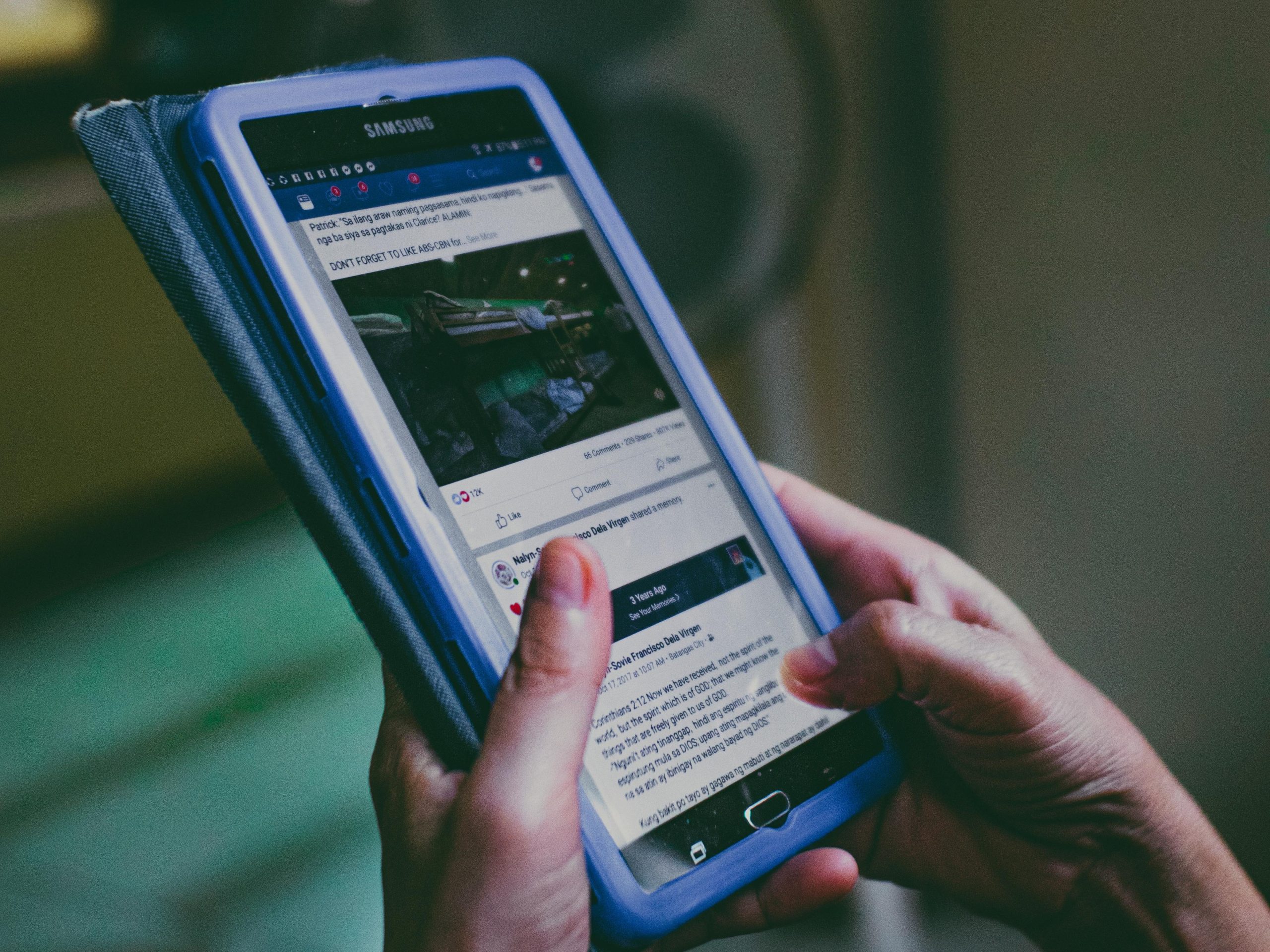
What Zero-Click Content Really Means (and Why It Works)
Zero-click content flips traditional social media marketing on its head. Instead of pushing users off-platform to blogs, landing pages, or product pages, it delivers the entire message directly within the post itself.
This approach aligns perfectly with how algorithms prioritize content today. Platforms reward posts that keep users engaged longer—meaning more time reading, watching, or interacting without bouncing away.
For example, instead of posting a link to a blog article, you might:
- Turn the article into a LinkedIn carousel
- Summarize key insights in a long-form caption
- Create a short video explaining the main idea
According to how engagement signals influence content visibility, posts that generate meaningful interactions (comments, saves, shares) tend to outperform those that simply redirect traffic. That’s exactly what zero-click content is designed to do.
The psychology is simple: users prefer instant value. The less effort required, the higher the likelihood they’ll engage.
Key Benefits of Zero-Click Content
- Higher organic reach due to platform preference
- Stronger engagement rates (likes, comments, shares)
- Improved brand authority through value-first content
- Better audience retention
Think of zero-click content as a way to meet your audience where they already are—without asking them to do extra work.
The Shift from Traffic-First to Value-First Strategy
For years, marketers focused heavily on driving clicks. Social posts were designed as teasers—just enough information to get users to leave the platform. That strategy doesn’t perform the same way anymore.
Today, platforms prioritize content that keeps users inside their ecosystem. That means outbound links often receive reduced visibility unless the content itself is highly engaging. Modern strategy is about giving value first, then earning attention and trust. Once you’ve built that trust, conversions follow more naturally.
Insights from building a strong content marketing foundation highlight that audience-first content consistently outperforms promotional messaging. Zero-click content embodies this principle.
Here’s how the shift looks in practice:
Old Approach
- Post headline + link
- Minimal context
- Goal: clicks
New Approach
- Full value inside the post
- Standalone insights
- Goal: engagement and trust
This doesn’t mean links are dead—it just means they’re no longer the centerpiece. Instead, they become secondary, often placed in comments or used sparingly.
Brands that adapt to this shift tend to see more consistent growth, especially on platforms like LinkedIn and Facebook, where long-form native content thrives.
Core Formats That Drive Zero-Click Engagement
Not all content formats perform equally in a zero-click strategy. The goal is to create content that’s easy to consume, visually appealing, and immediately valuable.
Here are the most effective formats you can start using today:
1. Text-Based Value Posts
These are especially powerful on LinkedIn and Facebook. Think structured posts with hooks, bullet points, and clear takeaways.
Example:
“5 mistakes killing your engagement (and how to fix them)” followed by actionable tips.
2. Carousel Posts
Carousels allow you to break down complex ideas into digestible slides. Each swipe keeps users engaged longer, which signals value to the algorithm.
3. Short-Form Videos
Videos deliver high retention when they get straight to the point. Focus on quick tips, insights, or mini tutorials.
4. Infographics
Perfect for summarizing data, processes, or frameworks in a visual format.
5. Thread-Style Content
Popular on platforms like X (Twitter) and LinkedIn, threads allow you to tell a story or explain a concept step by step.
The key across all formats is clarity and immediacy. Your audience should understand the value within seconds.

Step-by-Step: How to Build a Zero-Click Content Strategy
Creating zero-click content consistently requires a system. Here’s a practical framework you can follow:
Step 1: Start with Existing Content
Look at your blog posts, guides, or long-form content. Identify key insights that can stand alone.
For example, a 2,000-word blog post can easily become the following:
- 3–5 LinkedIn posts
- 1 carousel
- 2 short videos
Step 2: Extract the Core Idea
Each piece of zero-click content should focus on one clear takeaway. Avoid cramming too much into a single post.
Step 3: Hook the Audience Immediately
Your first line matters more than ever. Use curiosity, bold statements, or relatable pain points.
Example: “Most brands are doing this wrong—and it’s killing their reach.”
Step 4: Deliver Immediate Value
Get to the point quickly. Avoid long introductions and focus on actionable insights.
Step 5: Encourage Interaction
End with a question or prompt to drive comments and discussion.
Example: “Which of these strategies have you tried?”
This process ensures your content isn’t just seen—it’s engaged with.
Balancing Zero-Click Content with Traffic Goals
A common concern is whether zero-click content reduces website traffic. The short answer: not if done correctly.
Zero-click content builds awareness and trust at the top of the funnel. Once your audience sees you as a valuable source, they’re more likely to seek out your content, products, or services.
The key is balance.
Best Practices for Integration
- Use zero-click content for 70–80% of your posts
- Reserve 20–30% for strategic link sharing
- Place links in comments instead of captions when possible
- Repurpose high-performing posts into blog content
You can also use tools and services to streamline this process. For example, leveraging curated engagement strategies discussed in social media growth workflows and automation insights can help maintain consistency without sacrificing quality.
The goal isn’t to eliminate links—it’s to earn attention before asking for a click.
Common Mistakes to Avoid
While zero-click content is powerful, it’s easy to misuse. Here are some common pitfalls:
1. Being Too Vague
Generic content gets ignored. Be specific, actionable, and clear.
2. Overloading Information
Keep each post focused on one idea. Simplicity improves retention.
3. Ignoring Formatting
Wall-of-text posts reduce readability. Use spacing, bullet points, and structure.
4. Forgetting the Hook
If your opening line doesn’t capture attention, the rest won’t matter.
5. Not Tracking Performance
Analyze which formats and topics drive the most engagement, then double down on them. You can also explore practical optimization techniques in content performance and engagement improvement guides to refine your approach over time.
Avoiding these mistakes ensures your strategy remains effective and scalable.

The Future of Social Media Is Zero-Click
Zero-click content isn’t just a trend—it’s the direction social media is heading.
As platforms continue to prioritize retention and engagement, brands that focus on delivering value directly within posts will have a clear advantage.
This doesn’t mean abandoning traditional marketing tactics. Instead, it’s about evolving your strategy to match user behavior and platform incentives.
When done right, zero-click content becomes a powerful engine for:
- Building authority
- Growing your audience
- Increasing engagement
- Driving long-term conversions
The brands that win will be those that stop asking for clicks—and start earning attention.
If you’re ready to level up your social media strategy, start small. Take one piece of content, turn it into a zero-click post, and measure the results. From there, scale what works.
Because in today’s landscape, the best-performing content doesn’t send users away—it keeps them right where they are.
Leave a Reply