Social media has changed significantly since its early days. What began as a simple way for people to share updates, photos, and personal experiences has transformed into a complex digital ecosystem shaped by algorithms, influencers, advertising, and endless streams of recommended content. While these changes have created new opportunities for entertainment, businesses, and creators, they have also caused many users to rethink what they actually want from social platforms.
Increasingly, people are looking for online spaces that feel more personal and less overwhelming. Instead of constantly trying to create attention-grabbing content, many users are returning to a simpler approach: sharing moments, preserving memories, and staying connected with people they care about. This growing interest in nostalgia-driven social experiences reflects a larger shift toward authenticity, privacy, and more intentional digital interactions.
Rather than replacing traditional social networks, these emerging trends highlight a change in user expectations. People still enjoy discovering new content and following creators. Still, they are also searching for platforms and communities that bring back the feeling of early social media, where connection mattered more than performance.
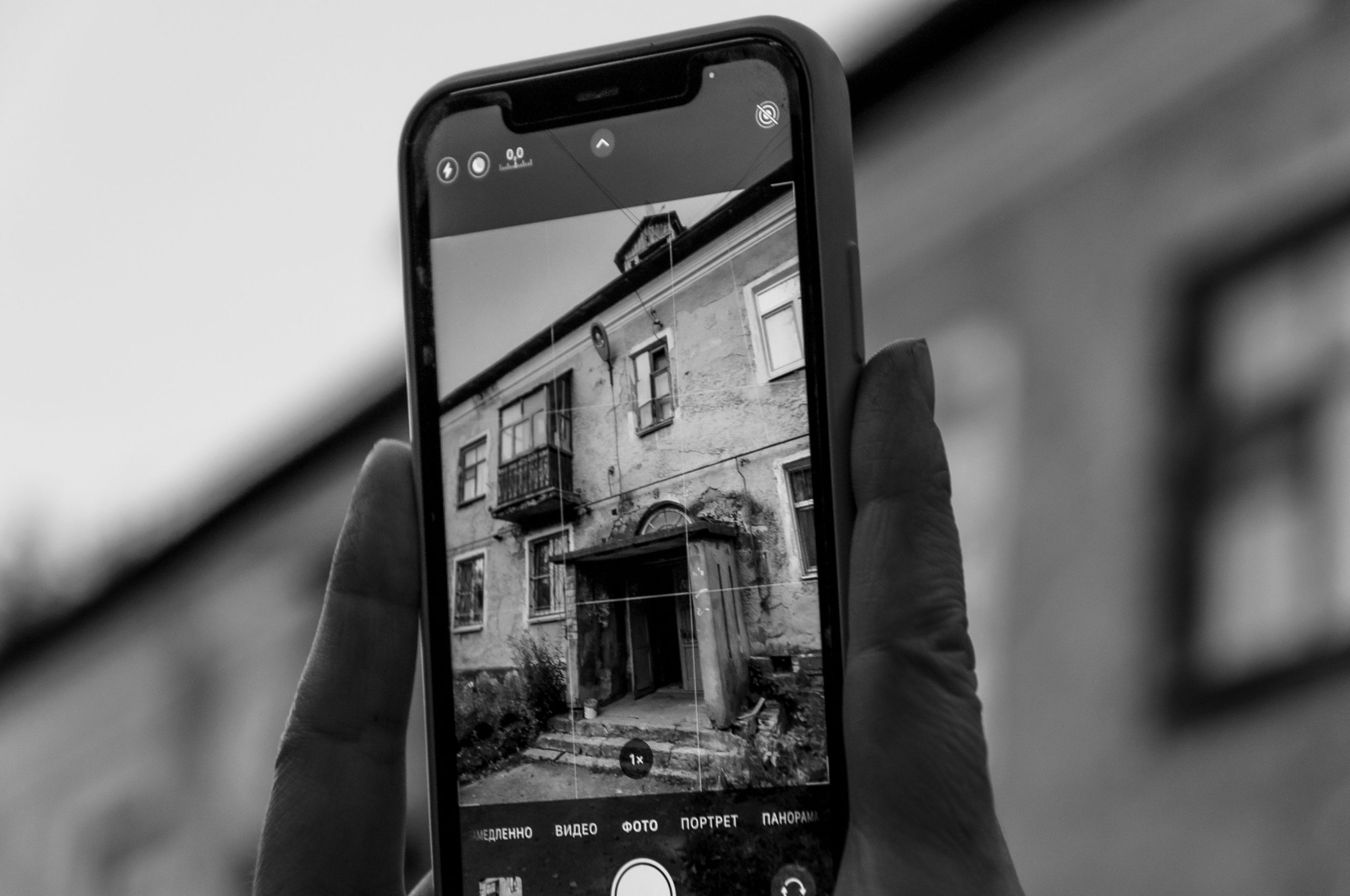
The Evolution of Social Media From Connection to Content
In the early years of social networking, the primary purpose was communication. Users shared vacation photos, posted personal updates, and interacted with friends without worrying about reach, engagement rates, or how their content performed. A simple photo from a weekend trip or a short update about daily life was enough to create conversations.
As social media platforms grew, their purpose expanded. Businesses began using these networks to reach customers, creators built careers through digital content, and algorithms were introduced to help users discover posts they might enjoy. These developments made platforms more powerful and engaging, but they also changed the overall experience.
Today, many social feeds are no longer centered around updates from friends and family. Instead, users often encounter a mixture of recommended videos, advertisements, trending content, and posts from accounts they may not personally know. The experience has become more entertainment-focused, with platforms competing for attention rather than simply helping people stay connected.
This shift has encouraged some users to seek alternatives that recreate the simplicity of earlier social networking. The appeal is not necessarily about returning to outdated technology but about bringing back the personal connection that made social media enjoyable in the first place.
Why Users Are Searching for More Authentic Experiences
One of the biggest reasons nostalgia-inspired social experiences are gaining attention is the desire for authenticity. Modern social media often encourages users to present carefully selected versions of their lives. Photos are edited, captions are optimized, and posts are sometimes created with audience reactions in mind.
While there is nothing wrong with sharing polished content, some users feel that constant self-presentation can make social media feel less genuine. Instead of documenting moments naturally, people may find themselves thinking about whether something is interesting enough, attractive enough, or likely to receive engagement.
This has created a growing appreciation for content that feels more spontaneous. Simple photos, everyday updates, and personal memories often carry more emotional value because they represent real experiences rather than carefully planned posts.
Nostalgia-driven social trends reflect this desire for a more relaxed environment. They encourage people to share because a moment matters to them, not because they are trying to gain visibility. This change represents a broader movement away from social media as a performance platform and back toward social media as a communication tool.
The Growing Importance of Privacy and Smaller Communities
Privacy has become another major factor influencing how people use social media. As users become more aware of digital footprints and online visibility, many are becoming more selective about what they share publicly. Not every personal milestone, family moment, or everyday experience needs to be available to a large audience.
Smaller communities often create a stronger sense of trust and connection. Sharing updates with close friends, family members, or specific groups can feel more meaningful than posting to a large audience where interactions may be limited or impersonal.
This shift does not mean people are leaving social media behind. Instead, they are becoming more intentional about choosing the right environment for different types of communication. Public platforms may be useful for discovery and entertainment, while more personal spaces can provide a place for memories and genuine conversations.
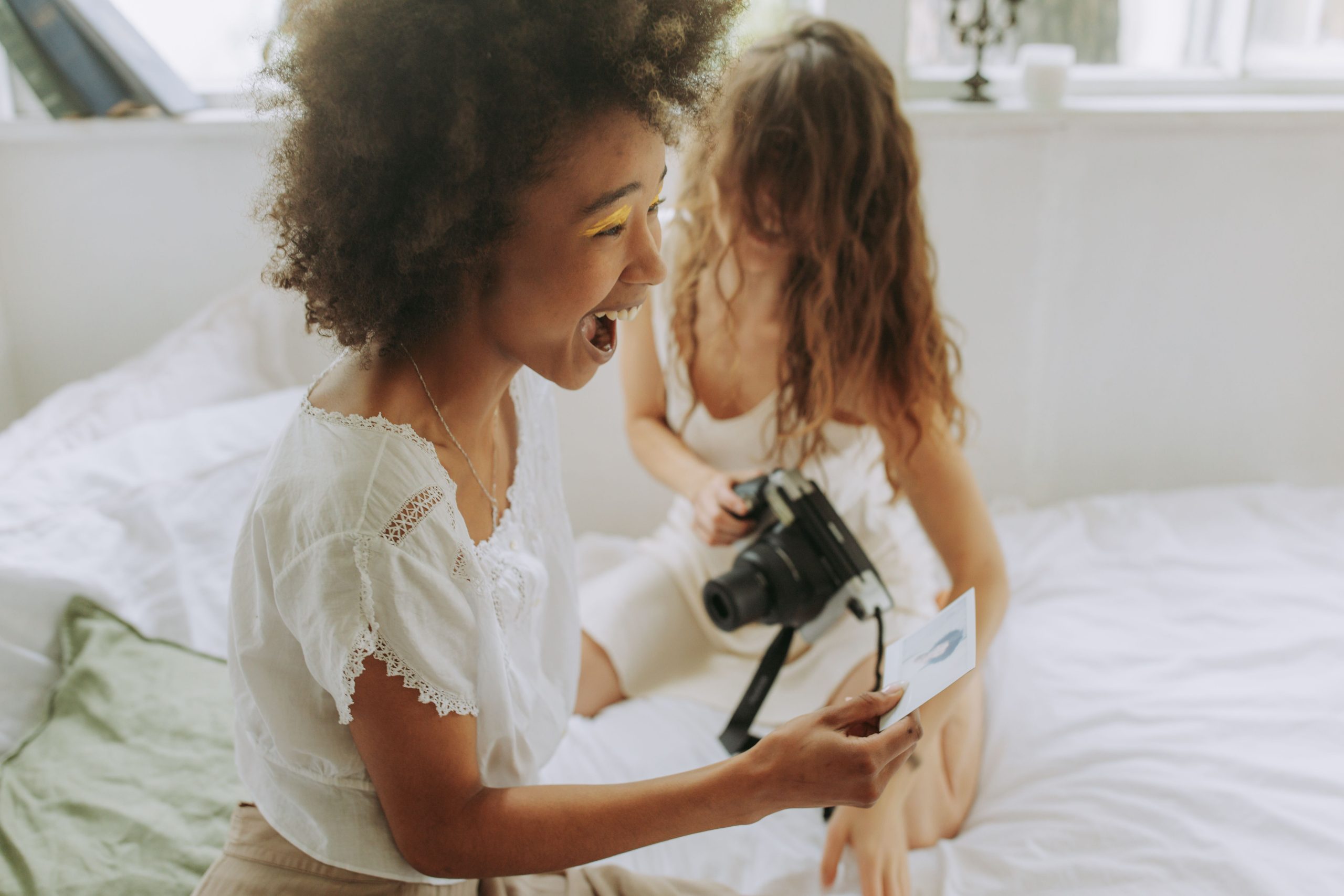
Digital Minimalism and the Desire for Simpler Online Habits
The growing interest in simpler social experiences is also connected to digital minimalism. As people spend more time online, many are becoming aware of the effects of constant notifications, endless scrolling, and information overload.
Digital minimalism does not mean avoiding technology completely. Instead, it focuses on using digital tools in ways that provide meaningful value. For social media, this can mean spending less time consuming endless content and more time engaging with people and experiences that genuinely matter.
This change in mindset explains why some users are drawn to platforms that encourage intentional sharing rather than unlimited consumption. A social experience that helps people remember important moments and maintain relationships can feel more valuable than one designed only to maximize screen time.
The Return of Photo Journaling and Memory Preservation
Another reason nostalgia-driven social experiences are becoming popular is the renewed interest in photo journaling. Before social media became centered around likes, shares, and visibility, photographs mainly existed as a way to preserve memories. People took pictures to remember important moments, document personal milestones, and create a visual record of their lives.
Today, smartphones allow people to capture thousands of photos every year, but many of these images remain forgotten in camera rolls. While social media has made sharing easier, it has also shortened the lifespan of many posts. A photo may receive attention for a brief period before quickly disappearing under a constant stream of new content.
Photo journaling brings back the idea that pictures can have value beyond immediate reactions. A simple image from an ordinary day can become meaningful years later because it captures a specific memory, feeling, or stage of life. This perspective encourages users to focus less on whether a post performs well and more on whether it holds personal significance.
This renewed appreciation for digital memories reflects a broader change in how people view online sharing. Instead of treating every photo as content, many users are beginning to see their digital collections as personal archives that tell the story of their experiences over time.
What Businesses and Creators Can Learn From This Shift
The move toward more authentic social experiences also provides valuable lessons for businesses and content creators. While professional content and strategic marketing remain important, audiences are increasingly drawn to brands that feel approachable and genuine.
People often connect more strongly with behind-the-scenes content, real customer experiences, and stories that show the human side of a brand. A company that only publishes promotional messages may struggle to build meaningful relationships, while one that creates authentic conversations can develop stronger trust with its audience.
Creators can benefit from this shift as well. The pressure to constantly chase trends and algorithm changes can make content creation exhausting. However, creators who focus on building genuine communities often develop more loyal audiences over time. Personal storytelling, honest experiences, and consistent engagement can be more valuable than temporary viral success.
This change highlights an important lesson about social media: connection remains more important than numbers. While follower counts and engagement statistics can provide useful measurements, meaningful relationships are what keep audiences invested in the long term.
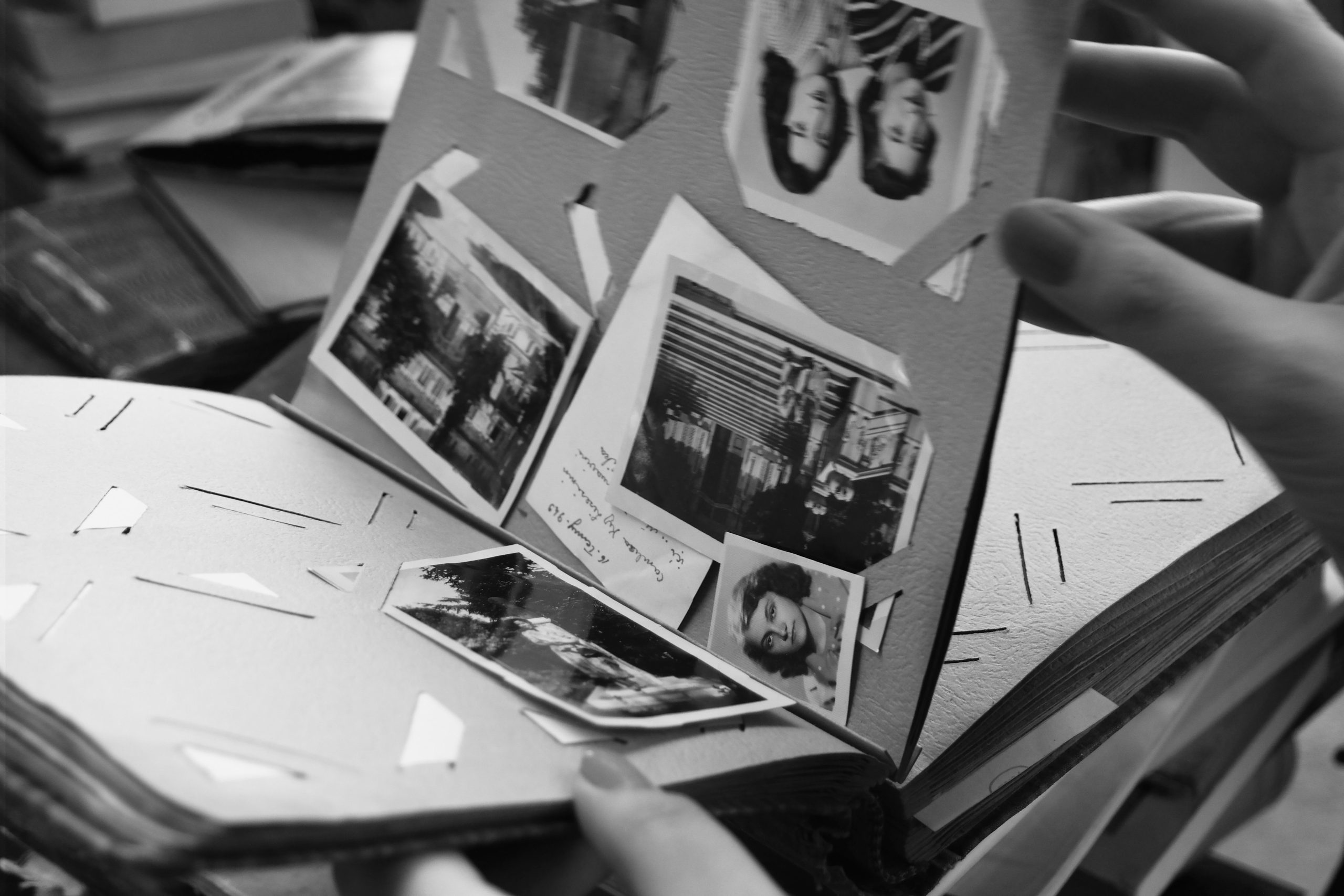
The Future of Social Media May Be More Personal
The rise of nostalgia-driven social experiences does not mean traditional social networks will disappear. Large platforms will continue to play an important role in entertainment, communication, marketing, and online discovery. However, the way people use social media is becoming more diverse.
Users are increasingly recognizing that different platforms can serve different purposes. Some spaces are ideal for discovering trends and following public conversations, while others are better suited for sharing personal updates and maintaining close relationships.
This shift suggests that the future of social media may not be about creating one platform that does everything. Instead, it may involve a combination of digital experiences designed for specific needs. Entertainment, professional networking, community building, and personal memory sharing may continue developing in separate but connected directions.
As online habits continue evolving, features that support authenticity, privacy, and meaningful interaction will likely become more valuable. People may still enjoy discovering new content, but they also want places where they can communicate without feeling pressured to constantly perform.
Conclusion
The growing interest in nostalgia-driven social media reflects a larger conversation about what people truly want from their online experiences. After years of increasingly complex platforms, many users are rediscovering the appeal of simple sharing, personal connections, and authentic moments.
This trend is not about rejecting modern technology. Instead, it represents a desire to use technology in a way that feels more intentional. People want digital spaces that help them stay connected, preserve memories, and communicate with others without unnecessary pressure.
As social media continues to evolve, the platforms that prioritize genuine relationships and meaningful experiences may stand out in an increasingly crowded digital landscape. The future of social networking may not be defined by having the largest audience, but by creating environments where people feel comfortable being themselves.
throwback posts will never go out of style since most of us were at our happiest years during the past
Hehe, that is definitely true!