Instagram Stories give businesses a practical way to stay visible between feed posts, share timely updates, and create more opportunities for two-way interaction. Unlike a polished campaign post that may take days to produce, a Story can capture a quick customer question, a behind-the-scenes moment, a product demonstration, or an audience poll while the topic is still relevant.
However, simply posting more Stories does not automatically create engagement. Businesses need to give viewers a reason to tap, reply, vote, answer, or continue watching. The most effective approach is to treat Stories as an ongoing conversation rather than a place to republish promotional graphics.
Start With a Clear Engagement Goal for Each Story Sequence
One of the easiest ways for a business to produce unfocused Stories is to publish content simply because it has not posted that day. Before creating a sequence, decide what action you want from the audience. The goal does not always need to be a sale. In many cases, a reply, poll response, profile visit, or direct message is more valuable because it helps start a conversation.
For example, a local fitness studio might have a different goal for each day of the week:
- Monday: Ask followers to vote on which class they want added to the schedule.
- Wednesday: Share a short exercise tip and invite questions.
- Friday: Show a class in progress and encourage viewers to reply if they want more information.
This approach is more effective than posting three unrelated promotional slides. The viewer can understand what the business wants them to do, and the social media manager has a clearer way to evaluate whether the Story worked.
A useful planning question is: What should someone do after watching this Story? If the answer is unclear, the sequence probably needs more structure.
For businesses managing several accounts, organization becomes especially important. Different brands, locations, or client accounts may use Stories for different purposes. A restaurant may prioritize customer replies and bookings, while an e-commerce brand may focus on product discovery and website visits. Tools that help teams organize multiple social accounts, such as a platform for managing multiple social media tasks and accounts, can be useful for keeping those workflows organized without forcing every account into the same generic content calendar.
Official guidance on using Instagram Stories to engage an audience highlights approaches such as showing authentic business moments, featuring products and services, sharing customer testimonials, creating tutorials, and using interactive features such as polls, emoji sliders, and questions.
Use Interactive Features to Make Engagement Easy
Stories are particularly useful when a business removes the pressure from engagement. Writing a thoughtful comment on a feed post requires more effort than tapping one option in a poll. A good Story strategy should therefore include low-friction interactions that viewers can complete in seconds.
A simple sequence might look like this:
- Introduce a topic or problem.
- Ask the audience for an opinion.
- Use a poll, question, quiz, or another relevant interactive feature.
- Share the result or respond to common answers in a follow-up Story.
Imagine a skincare retailer preparing to launch a new product. Instead of immediately posting, “Our new product is coming soon,” the brand could begin with, “What is your biggest challenge when choosing a moisturizer?”
The next Story could offer a poll with two common concerns. A question prompt could then invite more specific responses.
The engagement is not useful simply because the business collected taps. The answers can help shape future content. If a large number of people mention sensitive skin, the retailer now has a reason to create an FAQ, demonstration, or educational post addressing that concern.
Match the Interaction to the Content
Not every Story needs the same sticker or question format. Repeating identical polls can make an account feel formulaic. Instead, match the interaction to the situation:
- Polls: Useful for quick preferences or simple comparisons.
- Questions: Useful when the business wants audience ideas or customer concerns.
- Emoji sliders: Useful for gathering quick reactions.
- Quizzes: Useful for educational content or product knowledge.
After asking for engagement, follow through. If customers submit questions and the business never acknowledges them, viewers have little reason to participate next time. A short answer, a follow-up Story, or a response through Direct Messages can make the interaction feel genuine.

Show the Parts of the Business That Do Not Belong in a Polished Feed Post
Many businesses reserve their feed for highly edited images, campaigns, and evergreen content. Stories can complement that approach by showing the less formal moments that give customers a better understanding of the people and processes behind the brand.
This does not mean every Story should be an unplanned video. Businesses can still prepare a basic structure while allowing the content to feel more immediate.
For example, a software company launching a new feature could publish a polished announcement elsewhere and use Stories to show:
- A team member explaining the problem the feature was designed to solve.
- A short screen recording of one practical use case.
- A question inviting users to suggest future improvements.
- A follow-up answer addressing the most common question.
A bakery could take a similar approach by showing early-morning preparation, asking followers to choose between two weekend specials, and later sharing the finished product. The business is not just promoting an item; it is giving followers reasons to return throughout the day.
Authenticity is especially important here. A behind-the-scenes Story does not need to look imperfect for the sake of appearing “real,” but it should show something viewers would not simply see in an advertisement. Recycled stock graphics and constant sales messages rarely create the same sense of participation.
Businesses should also be careful about music and other copyrighted materials. Instagram notes that its licensed music library is generally intended for personal, non-commercial use, and access may vary for business accounts and by location. Businesses should review Instagram’s current guidance before regularly adding music to branded Stories.
Build Story Sequences Instead of Posting Isolated Updates
A strong Story sequence gives viewers a reason to keep tapping. Rather than publishing five unrelated slides, think of each sequence as a short progression with a beginning, middle, and action.
A service business could use this simple structure:
- Hook: “Most businesses make this mistake when planning their social content.”
- Problem: Briefly explain the mistake with a realistic example.
- Solution: Show one practical step that helps solve it.
- Interaction: Ask viewers whether they have experienced the same issue.
- Next step: Invite relevant questions or direct viewers to a related resource.
The sequence should still be concise. If a topic requires ten screens of explanation, it may work better as a carousel, article, video, or another format that can later be promoted through Stories.
Story sequencing is also useful when managing multiple accounts because teams can create repeatable frameworks without duplicating identical content. A marketing agency, for example, might use the same overall structure for several clients while changing the examples, questions, visuals, and calls to action for each audience.
The key is to create a recognizable flow without making every Story feel scripted. Viewers should understand what the sequence is about quickly, but they should still feel that the content is relevant to what is happening now.
Current Instagram Stories strategy recommendations for marketers also emphasize using Stories to deepen relationships with existing followers and combining engagement-focused content with content that helps audiences feel more connected to the business.
Turn Story Insights and Audience Responses Into Better Future Content
The biggest missed opportunity in Story marketing is treating engagement as a final result rather than a source of information. A poll result, question response, or Direct Message can reveal what the audience wants explained next.
Suppose a B2B company asks, “Which part of social media management takes your team the longest?” If most responses point to reporting, the company has several content opportunities:
- Create a Story answering the most common reporting question.
- Publish a more detailed blog post on the topic.
- Record a tutorial or demonstration.
- Use future polls to identify specific reporting challenges.
Over time, this creates a more responsive content strategy. Instead of guessing which topics might be interesting, the business uses actual audience interactions to prioritize what to cover.
When reviewing Story performance, avoid focusing on a single vanity metric. Consider the goal of the sequence. A Story intended to collect customer questions should be evaluated differently from one designed to encourage profile visits or introduce a new product.
It is also useful to compare similar Story formats over time. For example, test whether short talking-head videos receive more replies than static tips, or whether polls placed at the beginning of a sequence generate more participation than those placed at the end.
Stories can also support actions beyond Instagram itself when there is a legitimate reason to send someone elsewhere. A guide to driving website traffic from Instagram discusses using Stories alongside profile links and other Instagram features as part of a broader path from discovery to action.

Keep the Strategy Consistent Without Making Every Story Promotional
Consistency does not mean posting the same type of content every day. It means giving the audience a recognizable reason to keep checking your Stories.
A practical content mix might include educational tips, customer questions, behind-the-scenes updates, product demonstrations, user feedback, and occasional promotions. The exact balance will depend on the business, but a sequence made entirely of sales messages is unlikely to encourage much voluntary interaction.
Social media managers should also avoid trying to manufacture engagement through repetitive prompts, misleading tactics, or spammy behavior. Ask questions because the answers are useful. Use polls because the result can inform the conversation. Encourage replies when the business is prepared to respond.
For teams handling several brands or accounts, document what works for each one. A simple internal record of successful Story formats, common audience questions, and preferred content themes can save time and help prevent every account from following the same template.
Conclusion
Businesses can use Instagram Stories to increase engagement by making participation easy and worthwhile. The strongest strategies combine clear goals, interactive features, authentic business moments, structured Story sequences, and regular review of audience responses.
Instead of asking, “What should we post today?” start with, “What conversation do we want to create?” When Stories give viewers a genuine reason to tap, answer, reply, or return for the next update, engagement becomes a natural result of useful content rather than something the business has to force.
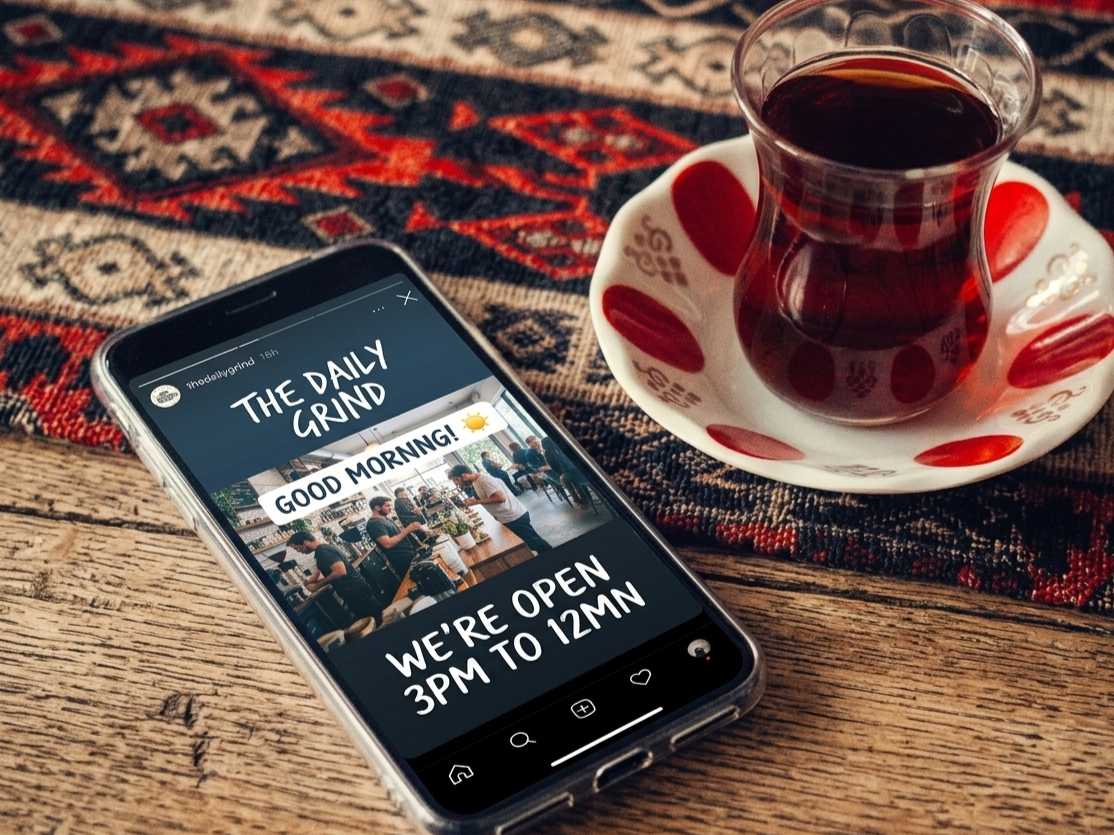
Sometimes, the fastest way to check if a business is currently open is through their IG stories/FB myday.